
Treatment Care
Pre-treatment care, aftercare instructions and care videos
Read the instructions for your service before and after your appointment, and watch the short video that goes with it. Careful aftercare is a large part of how well your work heals and how long it lasts. If anything looks or feels unexpected, text our specialist line — we would rather hear from you early.
Restorative Aftercare
Restorative tattoo aftercare
Your treatment area has had controlled trauma to the skin and needs time to heal. Mild redness, tenderness, swelling, dryness, flaking and small amounts of clear fluid can all be normal early on. Follow the section that matches the dressing you received.
Your provider's written instructions always take priority over this page.
Before your session
- The skin must be fully healed, settled and free of open areas, active rash or sunburn. Surgical scars generally need to be well matured before camouflage work.
- Tell us about recent surgery, radiation, reconstruction, keloid history, autoimmune conditions or anything your medical team is still following.
- Bring or list your current medications. Never stop a prescribed blood thinner for this appointment — tell us instead.
- No alcohol for at least 24 hours beforehand, and skip nonessential blood-thinning supplements (high-dose fish oil, vitamin E, ginkgo, garlic) if your provider advised it.
- Avoid sun, tanning, peels, lasers, waxing or exfoliating over the area for at least two weeks before.
- Come with clean, product-free skin over the treatment area, and wear comfortable clothing that will not rub the site afterward.
- Eat beforehand and hydrate — sessions can run several hours.
- Plan your healing window: arrange time away from swimming, hot tubs, saunas and heavy sweating for the following two weeks.
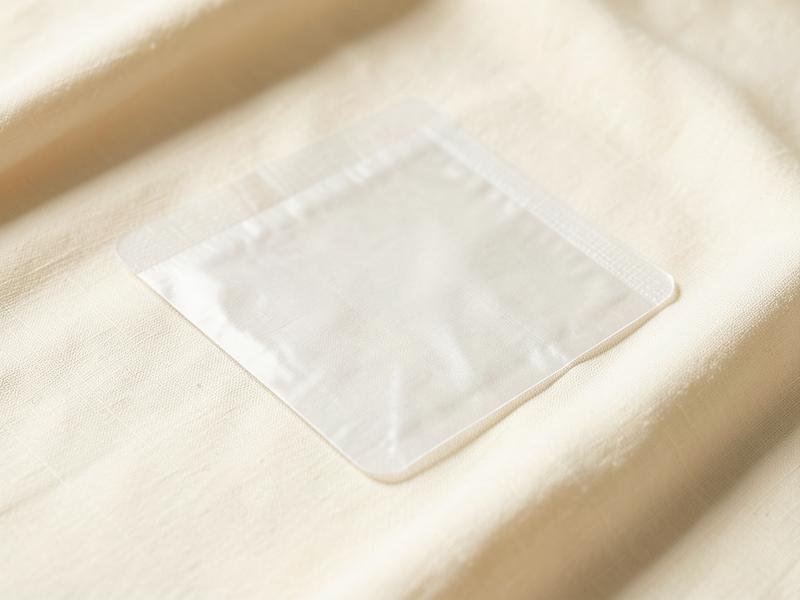
While the Tegaderm is on
Unless your provider told you otherwise, leave it in place about 3–5 days. It protects the area while the skin heals underneath, and a little clear or lightly blood-tinged fluid under the dressing can be normal at first.
- Leave the dressing intact — don't lift the edges to peek.
- Showering is generally fine, but don't soak or submerge the area.
- No baths, pools, hot tubs or saunas.
- Avoid heavy sweating.
- Don't put creams, ointments or anything else under the dressing.
- Avoid friction, pressure and tight clothing over the area.
If it loosens, leaks or the seal breaks
- Remove the dressing rather than trying to reseal it.
- Gently cleanse the area.
- Switch to the open healing instructions.
If the adhesive irritates you
- Itching, burning, rash, welts, blistering, or redness spreading past the treated area can mean adhesive sensitivity.
- Remove the Tegaderm if irritation is significant.
- Wash hands, cleanse with lukewarm water and a mild cleanser, pat dry with a clean paper towel, then follow open healing.
- Don't reapply Tegaderm or another adhesive dressing unless your provider says to.
Removing the Tegaderm
- Wash your hands first.
- Peel the dressing slowly back over itself instead of pulling straight up. Doing it during or right after a shower makes it easier.
- Cleanse gently with lukewarm water and a mild, fragrance-free cleanser — no scrubbing, washcloths, exfoliants or cleansing brushes.
- Rinse well and pat dry with a clean disposable paper towel.
- Begin the aftercare product and schedule your provider gave you.
Open healing care
Keep the area clean, protected and lightly moisturized as your provider directed.
- Always wash your hands before touching the area.
- Cleanse gently with lukewarm water and a mild, fragrance-free cleanser.
- Pat dry — never rub.
- Use only the aftercare product your provider recommended.
- Apply a very thin layer. Do not over-apply ointment or moisturizer.
- Don't pick, peel or scratch flaking skin.
- No makeup, fragrance, exfoliants, acids, retinoids or active skincare over healing skin.
- Avoid tight clothing, rubbing and unnecessary touching.
- Dryness, flaking and temporary unevenness are normal — don't judge your final color while healing.
Call 911 immediately for widespread hives, facial or throat swelling, difficulty breathing, or any other severe allergic reaction.
Alcohol, bleeding & blood-thinning products
- Avoid alcohol for at least 24 hours after your procedure, or longer if instructed.
- If advised, skip nonessential supplements that affect bleeding — high-dose fish oil or omega-3, vitamin E, ginkgo, garlic supplements and similar.
- Don't start aspirin or other blood thinners for routine soreness unless it's medically appropriate for you.
Never stop, reduce or change a prescribed blood thinner, aspirin regimen or any other medication because of these instructions. Keep taking anticoagulants and antiplatelet medications as prescribed unless the healthcare professional who manages them tells you otherwise.
For about 10–14 days
Unless your provider gives you different instructions.
Once completely healed, protect tattooed skin from UV with sunscreen whenever appropriate. Repeated sun exposure contributes to premature fading.
Breast / areola restoration
Breast and areola skin can be especially sensitive after surgery, reconstruction or radiation. Minimize friction and pressure while healing.
- Wear a clean, comfortable, nonrestrictive bra or garment if you need support.
- Avoid underwire or clothing that rubs across the treated area.
- Try not to sleep directly on the treated breast during early healing.
- No nipple covers, adhesive pads or other adhesives unless you were told otherwise.
- Avoid vigorous chest exercise or anything causing friction or sweating until the surface has healed.
- After reconstruction, radiation or other medical treatment, follow any extra restrictions from your surgeon or medical team.
Scalp, hairline & behind the ears
Hair and styling products can irritate freshly treated skin.
- Keep shampoo, conditioner, styling products, hairspray, dry shampoo and hair color off freshly treated skin until told otherwise.
- When you resume washing, be gentle — let water and cleanser run over the area rather than scrubbing.
- Rinse thoroughly so nothing is left sitting on the skin.
- Don't scratch with fingernails, brushes or combs.
- No clippers or razors directly over healing skin.
- No color, bleach, straightening or perms over the area until healed.
- Watch glasses, hearing devices, hats, headbands and helmets rubbing the site.
What may be normal
- Mild redness or swelling
- Tenderness
- Slight warmth shortly after treatment
- Small amounts of clear or lightly blood-tinged fluid
- Dryness, flaking or light peeling
- Temporary darkening, lightening or uneven color
The appearance of restorative tattooing keeps changing as the skin heals.
Possible signs of infection
- Redness that is increasing or spreading
- Increasing warmth or swelling
- Pain getting worse rather than better
- Thick, cloudy, yellow or green drainage, or pus
- Foul odor
- Red streaking from the treated area
- Fever, chills or feeling generally unwell
These need evaluation by a licensed medical provider — please don't try to self-treat a suspected infection. For severe symptoms, rapidly spreading redness, severe swelling, difficulty breathing or confusion, call 911.
Questions or concerns?
We want to watch the early stages of your healing — please text photos to our text line when we ask. If anything doesn't seem right, message us any time.
We can help with general healing questions, but tattoo providers cannot diagnose or treat infections or other medical complications. Contact your physician, surgeon, urgent care or emergency services as appropriate, and follow your provider-specific instructions if they differ from this guide.
Scalp Micropigmentation
SMP aftercare
Scalp micropigmentation places pigment into the upper layers of the scalp. Mild redness, tenderness and tiny dots that look darker than expected are normal in the first days — the deposits soften as the skin settles.
Your provider's written instructions always take priority over this page.
Before your session
- Arrive with a clean scalp — shampoo the morning of your appointment.
- No styling products, hair fibers, concealers or sunscreen on the scalp that day.
- Shave or trim as your provider directed, ideally the day before or the morning of.
- Avoid sunburn in the week beforehand — treated skin must be intact and calm.
- Skip alcohol and heavy caffeine on the day of your session.
- Eat beforehand; sessions commonly run two to four hours.
Days 1–4
- Keep the scalp completely dry — no washing, showering over the head, or steam.
- No sweating: skip the gym, running, hot yoga and manual labor.
- Do not touch, rub or scratch the treated area.
- No hats, helmets, headbands or hoods pressing on the scalp when avoidable.
- Sleep on a clean pillowcase and try not to sleep face-down on the area.
- Use no product of any kind on the scalp unless your provider gave you one.
Days 5–7
- You may rinse the scalp gently with lukewarm water — no soap, no scrubbing.
- Pat dry with a clean towel or paper towel; never rub.
- Light activity is usually fine; still avoid heavy sweating.
- Flaking may begin. Let it come away on its own — picking removes pigment.
Day 8 onward
- Resume gentle washing with a mild, fragrance-free shampoo.
- Begin a light, unscented moisturizer once your provider says to — a hydrated scalp reads more natural.
- Return to normal exercise as the surface settles.
- Wait until fully healed before shaving directly over the treated area, then use a clean guard or foil shaver.
- No exfoliants, acids, retinoids, scalp scrubs or harsh clarifying shampoos.
For about 10–14 days
Unless your provider gives you different instructions.
Sun is the single biggest cause of premature fading in SMP. Once healed, wear a hat or a high-SPF sunscreen on the scalp whenever you're outdoors for long.
What may be normal
- Redness and mild swelling for a day or two
- Dots looking darker, larger or sharper at first
- Tenderness or a sunburn-like feeling
- Itching and flaking around days 4–7
- A lighter, softer look once flaking finishes
SMP is built across sessions. Density and blending are judged after healing, not on the day of treatment.
Possible signs of infection
- Redness that is increasing or spreading
- Increasing warmth or swelling
- Pain getting worse rather than better
- Thick, cloudy, yellow or green drainage, or pus
- Foul odor
- Red streaking from the treated area
- Fever, chills or feeling generally unwell
These need evaluation by a licensed medical provider — please don't try to self-treat a suspected infection. For severe symptoms, rapidly spreading redness, severe swelling, difficulty breathing or confusion, call 911.
Questions or concerns?
We want to watch the early stages of your healing — please text photos to our text line when we ask. If anything doesn't seem right, message us any time.
We can help with general healing questions, but tattoo providers cannot diagnose or treat infections or other medical complications. Contact your physician, surgeon, urgent care or emergency services as appropriate, and follow your provider-specific instructions if they differ from this guide.
Permanent Makeup
Permanent makeup aftercare
Brows, eyeliner and lip blush all heal through the same arc: a bold few days, a flaky middle, then a soft, lighter result. What you do during the first two weeks decides how much pigment stays.
Your provider's written instructions always take priority over this page.
Before your session
- No alcohol or heavy caffeine for 24 hours beforehand — both increase bleeding and swelling, which pushes pigment out.
- Skip nonessential blood-thinning supplements (high-dose fish oil, vitamin E, ginkgo, garlic) if your provider advised it. Never stop a prescribed medication — tell us instead.
- Stop retinoids, acids, exfoliants and brightening products over the area at least two weeks before.
- No Botox, fillers, peels, lasers, facials, waxing, threading, tinting, lamination or lash lifts for a minimum of two weeks before — ask us for the right timing.
- Avoid sun and tanning on the face; the skin must be calm and unburned.
- Come with a clean face and no makeup on the treatment area. A plain hydrating product is fine as long as it has no tint, colour or active ingredients.
- Brows: don't shape, tint or wax for two weeks — we work with your natural hair.
- Lips: if you get cold sores, ask your doctor for an antiviral to start before your appointment. Exfoliate and keep lips well moisturized in the days leading up.
- Eyeliner: arrive without lash extensions or eye makeup, and bring glasses instead of contacts.
- Eat beforehand, hydrate, and plan around your two-week healing window.
The first 24 hours
- Blot the area gently with a clean tissue as often as needed — lymph fluid left to dry forms heavy scabs.
- Wash your hands before touching your face.
- Rinse very gently with lukewarm water and a mild, fragrance-free cleanser if your provider directed it, then pat dry with a clean paper towel.
- Apply only the aftercare product you were given, in a very thin layer. More is not better.
- Sleep on your back on a clean pillowcase if you can.
Brows
- Keep water, cleansers and shampoo off the brows in the shower.
- No makeup, brow gel, pencil or tinted product on the area while healing.
- Don't pick or scrub the flakes — pulled flakes take pigment with them.
- Colour looks dark, then flaky, then unexpectedly light before it settles.
- Wait until healed for waxing, threading, tinting or lamination.
Eyeliner
- Expect puffy lids for a day or two; a cold pack over a clean cloth helps.
- No mascara, eye makeup or makeup remover on the lash line while healing.
- No lash extensions, lifts, tints or lash growth serums until fully healed.
- Skip contact lenses for the first day or two if your eyes feel irritated.
- Don't rub your eyes; use only the thin ointment you were given.
Lip blush
- Keep lips lightly coated with your aftercare balm — dry lips crack and lose pigment.
- Blot after drinking; use a straw for the first few days.
- Avoid spicy, salty, acidic and very hot food while healing.
- No lipstick, gloss, exfoliating scrubs or plumping products until healed.
- If you get cold sores, tell your provider — antiviral medication from your doctor beforehand is standard.
- Colour looks intense at first, then fades far lighter before returning over several weeks.
For about 10–14 days
Unless your provider gives you different instructions.
Once fully healed, sunscreen over healed permanent makeup slows fading — sun, acids and retinoids are the fastest way to lose the work you paid for.
What may be normal
- Bold, dark colour for the first 3–5 days
- Mild swelling and tenderness, most noticeable with eyeliner and lips
- Itching, tightness and flaking around days 4–8
- A patchy or 'disappeared' look after flaking — pigment resurfaces over 2–4 weeks
- Slight unevenness that a touch-up session resolves
Don't judge shape or colour until healing is complete. That's what the follow-up visit is for.
Possible signs of infection
- Redness that is increasing or spreading
- Increasing warmth or swelling
- Pain getting worse rather than better
- Thick, cloudy, yellow or green drainage, or pus
- Foul odor
- Red streaking from the treated area
- Fever, chills or feeling generally unwell
These need evaluation by a licensed medical provider — please don't try to self-treat a suspected infection. For severe symptoms, rapidly spreading redness, severe swelling, difficulty breathing or confusion, call 911.
Questions or concerns?
We want to watch the early stages of your healing — please text photos to our text line when we ask. If anything doesn't seem right, message us any time.
We can help with general healing questions, but tattoo providers cannot diagnose or treat infections or other medical complications. Contact your physician, surgeon, urgent care or emergency services as appropriate, and follow your provider-specific instructions if they differ from this guide.
Correction & Removal
Correction & removal aftercare
Removal lifts unwanted pigment up and out through the surface of the skin. A scab forms, and that scab is carrying the pigment — protecting it until it releases on its own is the whole job.
Your provider's written instructions always take priority over this page.
Before your session
- The area must be fully healed from any previous tattooing or removal pass — usually six to eight weeks between sessions.
- Skin needs to be intact: no open areas, active breakouts, rash or sunburn over the site.
- Tell us about keloid or hypertrophic scarring history, autoimmune conditions, delayed healing or current medications.
- No alcohol for 24 hours beforehand, and skip nonessential blood-thinning supplements if your provider advised it. Never stop a prescribed medication on your own.
- Avoid sun, tanning, peels, lasers, waxing and exfoliating over the area for at least two weeks before.
- Arrive with clean, product-free skin over the site and no makeup or concealer.
- Wear clothing that will not rub or press on the area afterward.
- Plan ahead: the site must stay dry and covered while the scab forms and releases, so avoid booking before a holiday, pool trip or event.
Keep it dry and intact
- Keep the area dry for the first several days, or as long as your provider instructed.
- Do not pick, scratch, rub or lift the scab — early removal traps pigment and risks scarring.
- No ointments, creams, makeup or concealer over the scab unless you were given a product.
- No soaking, swimming, hot tubs, saunas or steam.
- Avoid heavy sweating and anything that softens the scab.
- Keep tight clothing, glasses and straps off the area.
Once the scab releases
- Let it fall away on its own — usually somewhere between 7 and 14 days.
- New skin underneath is pink and fragile. Cleanse gently with lukewarm water and a mild cleanser, then pat dry.
- Apply only the product your provider recommended, in a thin layer.
- Keep the area out of the sun completely until the pink has faded.
- No exfoliants, acids, retinoids, scrubs or resurfacing treatments over the site.
Between sessions
Removal is a series, not one appointment. Skin needs roughly six to eight weeks to recover before the next pass, and rushing sessions is what damages skin. How many sessions you need depends on how much pigment is there, how deep it was placed, and how your body clears it — we assess the result of each session before scheduling the next. Any new work over the area waits until we both agree the skin is ready.
For about 10–14 days
Unless your provider gives you different instructions.
Sun on healing removal sites can cause lasting discoloration. Keep it covered, then use sunscreen once healed.
What may be normal
- Redness, swelling and tenderness in the first days
- A small amount of clear or lightly blood-tinged fluid early on
- A scab forming over the treated shape
- Itching as the scab dries and lifts
- Pink or lighter skin under the scab that evens out over weeks
- Pigment looking only partly lifted after one session
Possible signs of infection
- Redness that is increasing or spreading
- Increasing warmth or swelling
- Pain getting worse rather than better
- Thick, cloudy, yellow or green drainage, or pus
- Foul odor
- Red streaking from the treated area
- Fever, chills or feeling generally unwell
These need evaluation by a licensed medical provider — please don't try to self-treat a suspected infection. For severe symptoms, rapidly spreading redness, severe swelling, difficulty breathing or confusion, call 911.
Questions or concerns?
We want to watch the early stages of your healing — please text photos to our text line when we ask. If anything doesn't seem right, message us any time.
We can help with general healing questions, but tattoo providers cannot diagnose or treat infections or other medical complications. Contact your physician, surgeon, urgent care or emergency services as appropriate, and follow your provider-specific instructions if they differ from this guide.
Looking for answers about sessions, healing, or booking?
Read the FAQ