
Breast restoration
How to Prepare for Your Mastectomy Tattoo — Including Potential Insurance Reimbursement
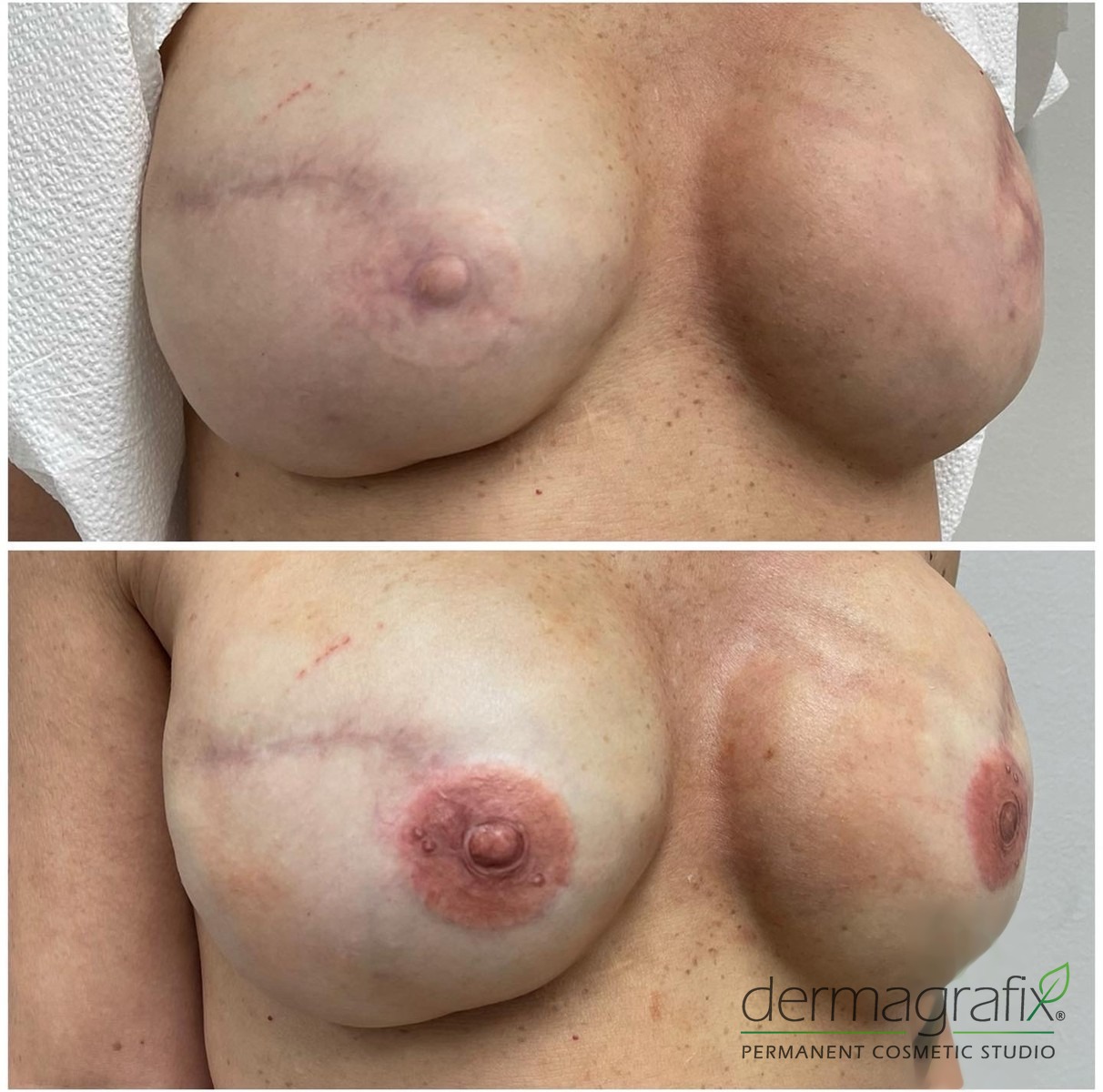
Areola restoration is usually the last appointment in a long sequence — and the first one you choose for yourself. A little preparation makes the day calmer, and a few phone calls made early can open the door to help with the cost. Here is everything worth doing before you sit in our chair.
Timing: when your skin is ready
We ask that you be at least three months post-op before your consultation. Incisions need to be fully closed and settled before anyone can assess color, texture, and placement accurately, and your surgeon should have cleared you for tattooing. If you are still in active treatment or awaiting another surgery, tell us — it usually means we schedule later rather than not at all.
Your consultation
The consultation is where the plan is built: your goals, the condition of your skin and scars, color matching to your tone, and mapping placement and symmetry with you upright and in a mirror. We will talk through how many sessions your case is likely to need, how far apart they sit, and what healed color looks like weeks later rather than on the day. Consultation fees are applied toward your completed procedure or treatment session.
Preparing for the day itself
- Wear a loose, front-opening top that is easy to put back on afterward.
- Eat a real meal and drink water beforehand; sessions are unhurried.
- Follow the pre-care instructions we send, including anything your artist asks you to avoid in the days before.
- Bring a support person if it helps. Just as many clients prefer to come alone.
- Plan a quiet rest of the day rather than errands afterward.
Potential insurance reimbursement
Dermagrafix is an out-of-network provider. You pay at the time of service and then submit for reimbursement yourself. Federal law recognizes nipple-areola tattooing as a medically reasonable and necessary part of breast reconstruction, but that does not obligate an insurance company to cover an out-of-network provider such as a tattoo artist. Some clients are reimbursed generously, some partially, some not at all. It varies by carrier and by policy, and it takes patience and persistence — so start early, before you schedule.
Step 1 — Verify your benefits
Call your insurance company before scheduling and ask:
- Is nipple-areola tattooing after mastectomy covered under my breast reconstruction benefits?
- Are CPT codes 11920 and 11921 covered under my plan?
- Is preauthorization required?
- Do I need a physician referral or a Letter of Medical Necessity?
- Which claim form do I submit for out-of-network reimbursement?
- What supporting documentation is required?
- What is the deadline for submitting a claim?
- What percentage of out-of-network services does my plan reimburse?
Write down the date and time of the call, the representative's name, the reference number, and any instructions you are given. Those notes matter later.
Step 2 — Get a physician referral
Ask your breast surgeon, plastic surgeon, oncologist, or treating physician for a referral or Letter of Medical Necessity stating that nipple-areola tattooing is recommended as part of your post-mastectomy reconstruction. If their office does not have a template of their own, ask us — we have one available on request.
Step 3 — Complete your appointment
After your session, Dermagrafix provides a superbill that may include our provider information and EIN, the CPT code or codes, diagnosis codes, the date of service, and the amount paid. This is the document your insurer will want.
Step 4 — Submit your claim
- Your completed claim form
- The superbill
- Proof of payment — paid invoice, receipt, or bank or credit card statement
- The physician referral or Letter of Medical Necessity
- An operative or pathology report if requested
- Anything else your insurer specifically asks for
Before you send it, check that every name, address, date, and policy number is correct. Keep copies of everything, and submit through whichever method your insurer requires — portal, fax, mail, or email.
Step 5 — Follow up
Call within 30 to 45 days to confirm your claim was received and to check its status. Keep logging every call, name, and reference number, and save all correspondence and decisions. A first denial is common and is not the end of the road — denied claims can be appealed, and many are overturned on appeal.
If you're uninsured
Cost should not be the reason this step never happens. Dermagrafix partners with non-profit organizations that may fund some or most of the cost of a session for uninsured patients. Eligibility and application details are on our grant and financing page, and we are glad to walk you through it at your consultation.
This article is client education, not medical or insurance advice. Coverage decisions rest entirely with your insurance carrier.
Read more about areola and nipple restoration and financing and assistance, or see healed results from real clients.
Pennsylvania
Our Doylestown studio welcomes clients from Bucks County, Montgomery County, Philadelphia and the greater Philadelphia area. See restorative tattooing and SMP near Philadelphia.
Florida
Our Stuart, FL studio welcomes clients from the Treasure Coast and Palm Beach coast, including Palm City, Jensen Beach, Port St. Lucie, Tradition, Hobe Sound, Jupiter, Tequesta and Palm Beach. See restorative tattooing and SMP on the Treasure Coast.