
Scar camouflage
Does Scar Camouflage Tattooing Actually Work?
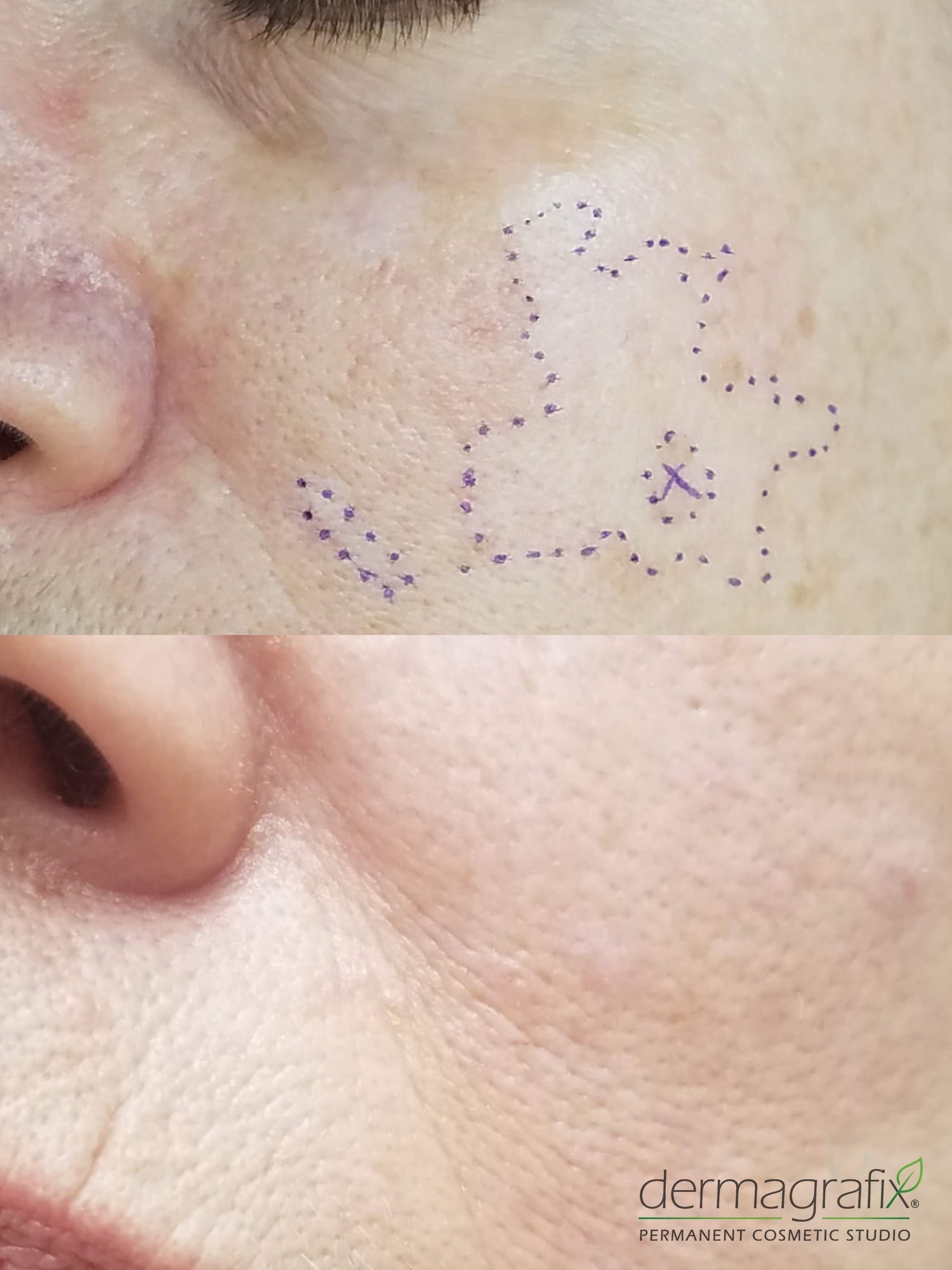
Yes — for the right scar, done properly, it works well. The important word is camouflage. The goal is a scar that stops catching the eye, not a scar that vanishes. Anyone promising erasure is selling you something.
Which scars respond best
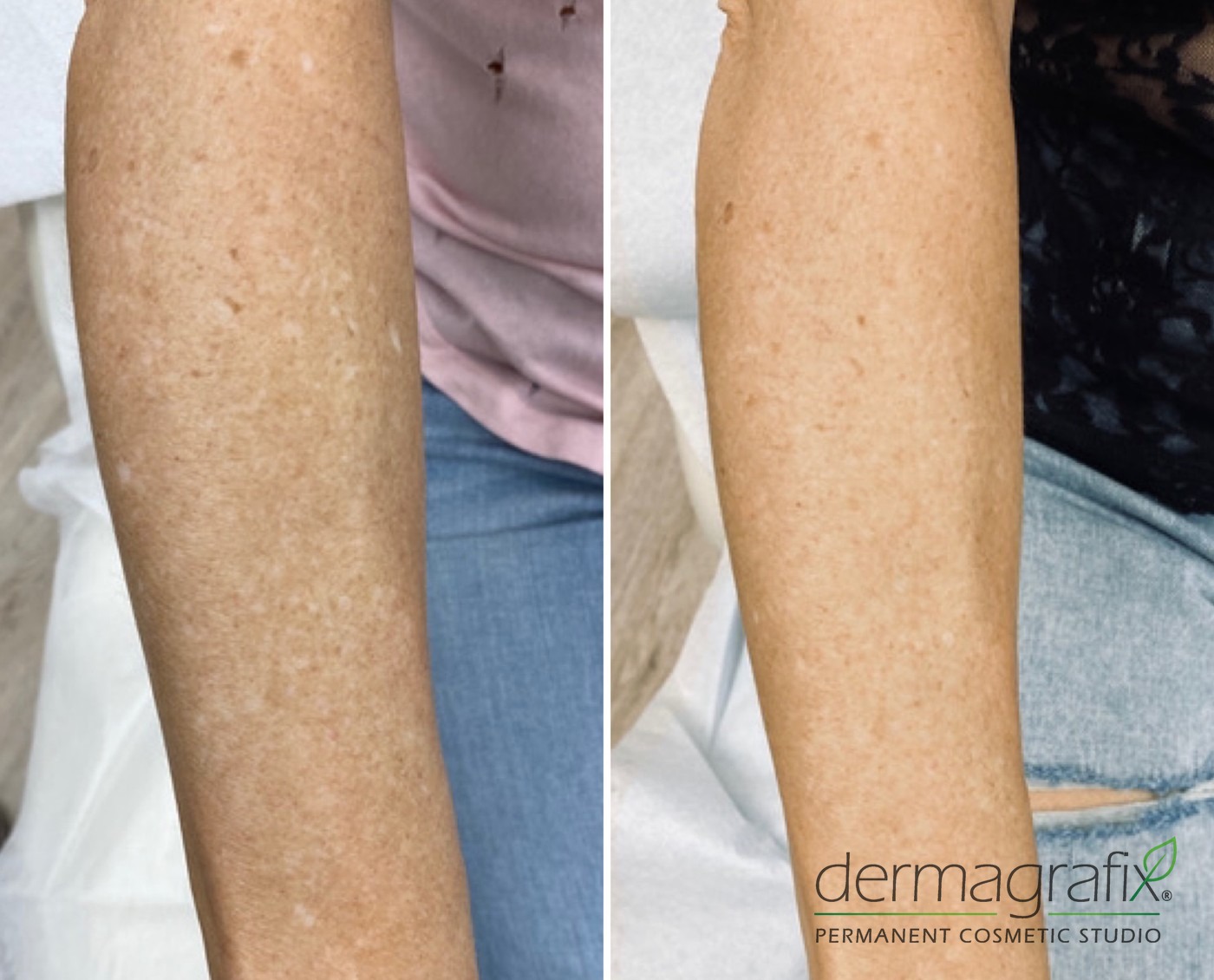
Flat, pale, mature scars are the easiest wins. Surgical lines, healed burns, tummy tuck and breast lift scars, self-harm scarring, stretch marks that have gone white, and pigment loss from injury all take colour predictably. The scar needs to be at least a year old in most cases, settled in colour, and no longer changing.
Which ones need work first
Raised, keloid, indented, or tight scars are about texture, and pigment does nothing for texture. Those are treated with needling or revision work first, and only then coloured. Skin with an active autoimmune condition — vitiligo, dermatitis, alopecia — needs to be quiet and dermatologist-cleared before we begin.
What a good result looks like
Close up, in bright light, someone looking for the scar will still find it. At conversational distance it disappears into the skin. For most people that is the difference between thinking about it every day and forgetting it is there.
How long it lasts
Pigment is placed, not grown, so it softens over the years — usually a touch-up every few years keeps it matched, especially on areas that see a lot of sun. Skin tone also changes seasonally, which is why we colour-match to your baseline rather than your summer tan.
This is client education, not medical advice.
Read more about scar camouflage tattooing, or see healed results from real clients.
Pennsylvania
Our Doylestown studio welcomes clients from Bucks County, Montgomery County, Philadelphia and the greater Philadelphia area. See restorative tattooing and SMP near Philadelphia.
Florida
Our Stuart, FL studio welcomes clients from the Treasure Coast and Palm Beach coast, including Palm City, Jensen Beach, Port St. Lucie, Tradition, Hobe Sound, Jupiter, Tequesta and Palm Beach. See restorative tattooing and SMP on the Treasure Coast.