Education
Hyperpigmentation: Types, What Makes It Worse, and the Melanin You Have
Hyperpigmentation simply means an area of skin has become darker than the skin around it. It is one of the most common concerns we see — around scars, after breakouts, on sun-exposed skin, and sometimes around areas we have treated. The good news is that it usually follows predictable rules. Once you know what drives it, you can stop doing the things that quietly make it worse.
The main types of hyperpigmentation
- Post-inflammatory hyperpigmentation (PIH). Darkening left behind after any injury or inflammation — a cut, acne, a burn, surgery, a tattoo, or aggressive at-home treatments. This is the type most relevant to scars.
- Sun spots (solar lentigines). Flat brown patches on skin that has seen years of sun — face, hands, chest, shoulders.
- Melasma. Broader, often symmetrical patches, commonly on the cheeks, forehead and upper lip. It is strongly influenced by hormones, sun and heat, and tends to come back when triggered.
- Freckles. Small, inherited spots that darken in summer and fade in winter.
Some areas may be a mix of more than one type, and some dark spots are not pigmentation at all. Any spot that is changing, raised, irregular or new should be seen by a dermatologist first — that always comes before cosmetic work.
At-home habits that can make it worse
Melanin-producing cells respond to inflammation, light and heat. Anything that warms the skin or keeps it irritated can push them to make more pigment — especially while a scar or treated area is still healing. The usual culprits:
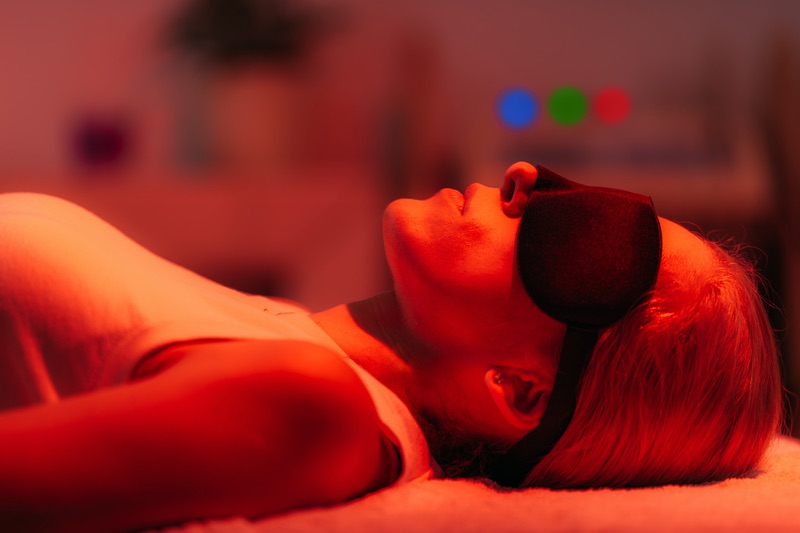
- Red light therapy (RLT) devices. RLT can be a great tool for many skin types — but not for skin that tends to hyperpigment. The light and warmth these panels and masks produce can stimulate pigment in skin that darkens easily. For that reason we do not use RLT on treated scars in the studio. If you are trying it at home and are not sure of both its benefits and its repercussions for your skin, it is better not to use it.
- Saunas, hot yoga, steam rooms and long, very hot showers.
- Heated tools and hot compresses held against the area.
- Unprotected sun — even short daily exposure, and even through a window.
- Scrubbing, picking, harsh peels and at-home needling or rolling, which add new inflammation on top of old.
- Friction from tight straps, waistbands or workout gear rubbing the same spot.
When we occlude scars — and when we don't
Occluding means sealing an area under a covering that traps heat and moisture. We do occlude many of the scars we treat, and it works well. The exception is skin that tends to hyperpigment: there, trapped warmth and moisture can keep the area inflamed and encourage darkening, so we let those scars breathe instead. Your aftercare sheet tells you exactly what to do for your treatment — follow it, and ask us before adding any product, patch or device.
Eumelanin vs. pheomelanin: the melanin you likely have
Everyone's skin contains a blend of two main types of melanin, and the balance between them shapes how your skin looks and how it reacts.
- Eumelanin is brown to black. It dominates in olive, brown and deeper skin tones and in darker hair. It offers more natural sun protection, but the cells that make it are quick to respond to irritation — which is why deeper skin is more prone to post-inflammatory darkening that can take months to fade.
- Pheomelanin is red to yellow. It is more prominent in fair skin, freckled skin and red or strawberry-blond hair. It protects less against sun, so this skin burns, freckles and develops sun spots more easily, and tends to show lingering redness after injury.
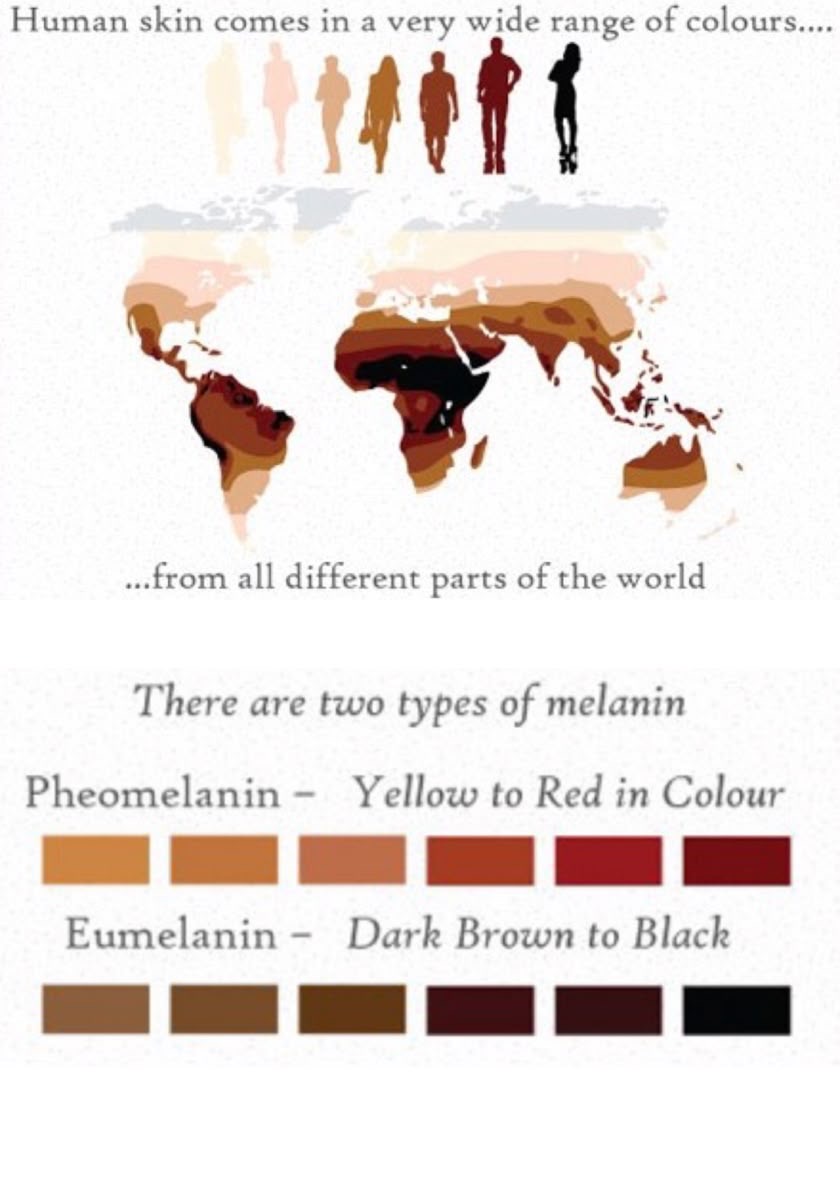
Most people are a mix. Knowing which way your skin leans helps predict whether a scar is more likely to stay pink, turn brown, or lighten — and that shapes everything from color choices to how hard we work and how far apart sessions are spaced. For more on this, see how melanin and tattoo pigment behave differently.
How our background helps
Our team combines restorative tattooing with an aesthetician's understanding of skin — how pigment forms, how scars heal, and how different skin types react to injury, products and heat. That means we start by working out why an area looks the way it does before deciding what to do about it. Sometimes the answer is camouflage. Sometimes it is texture work first, a gentler approach, more time between sessions, or simply changing a habit at home and letting the skin calm down. Uneven tone and scars are far easier to manage when the cause is understood.
Maybe it's time for a consultation
If you are living with a scar, a darkened patch or uneven tone and are not sure what is driving it, a complimentary consultation is the place to start. Send us photos, tell us your history and goals, and we will give you an honest view of what is likely to help — and what to stop doing in the meantime.
Read more about scar camouflage tattooing and skin retexturing, or see healed results from real clients.
Pennsylvania
Our Doylestown studio welcomes clients from Bucks County, Montgomery County, Philadelphia and the greater Philadelphia area. See restorative tattooing and SMP near Philadelphia.
Florida
Our Stuart, FL studio welcomes clients from the Treasure Coast and Palm Beach coast, including Palm City, Jensen Beach, Port St. Lucie, Tradition, Hobe Sound, Jupiter, Tequesta and Palm Beach. See restorative tattooing and SMP on the Treasure Coast.