
Education
How We Lighten Dark Scars (Hint: It's Not White or Skin-Tone Ink)
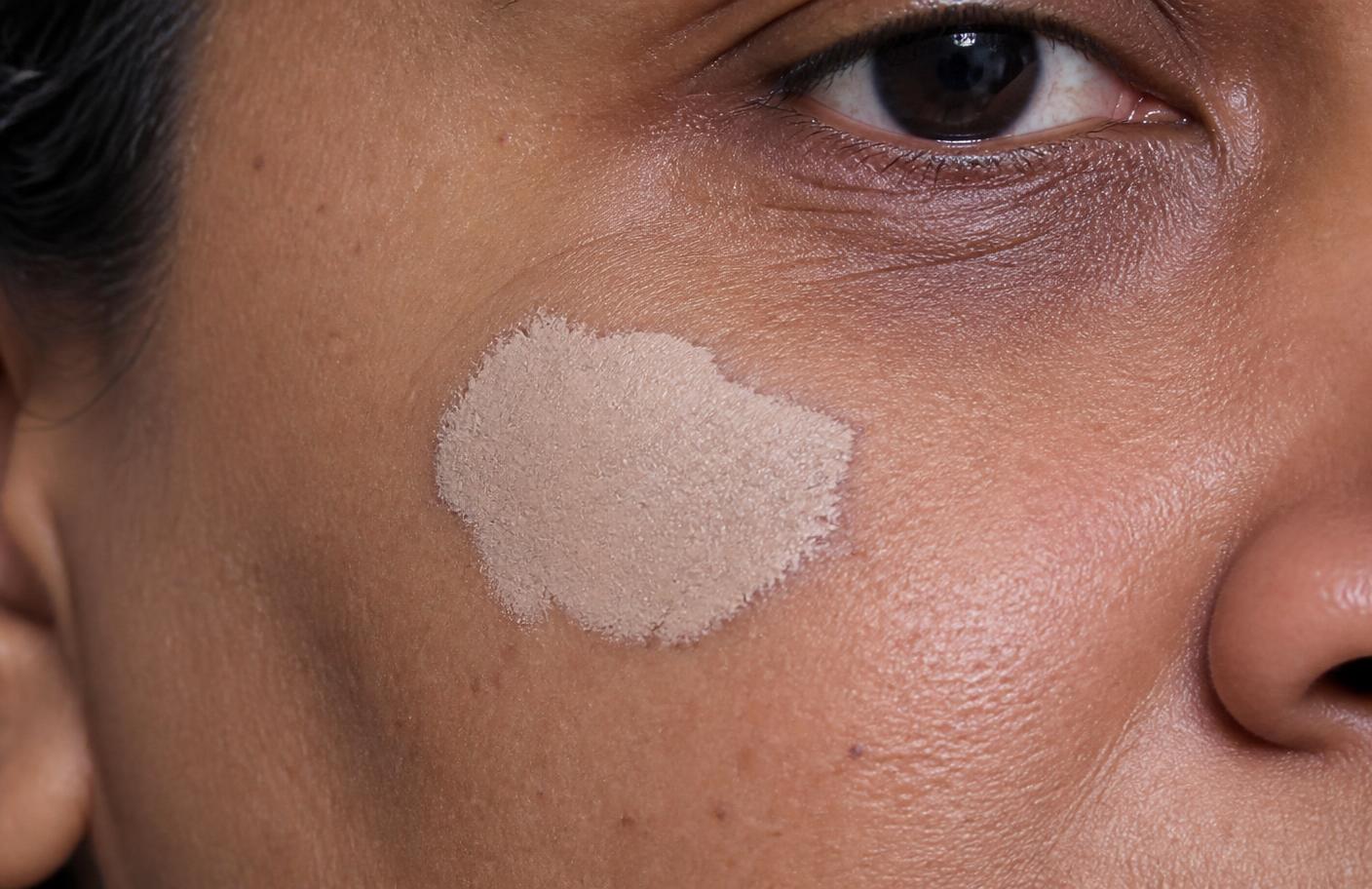
If you've seen videos of artists tattooing white or skin-tone ink over a dark scar, you're not alone. It's all over social media. So let's answer the question right away: no, we don't lighten dark scars with white or skin-tone ink. Dark scars can be lightened with pigment, but it has to be done carefully, it carries real risks, and it isn't right for every scar. Doing it well takes more skill, more time and more understanding of skin than a single pass of light ink.
How we lighten dark scars
We use carefully chosen tones that neutralize the darkness, never pure white or an opaque skin color. These go in a little at a time, over several sessions. At the same time, the needling itself does important work: it breaks up tight, tensile scar tissue and helps release melanin that has become trapped within it. Each session softens the scar a little more, so the color we add can stay soft and translucent instead of sitting on top of the skin like paint.
Going slowly is deliberate. Skin that has darkened once can darken again if it's pushed too hard, so we let it heal and settle between sessions before deciding on the next step.
Why white and skin-tone ink go wrong
Tattoo pigment sits inside living, translucent skin. Light passes through it and picks up whatever is underneath. A pale, opaque ink over a dark scar looks good for a short while, then the darkness shows back through, leaving a chalky, ashy patch that looks unnatural in daylight and is very hard to correct.
The risks worth knowing about
Future laser exposure. Most light and skin-tone pigments get their opacity from titanium dioxide, the same white used in paint and sunscreen. Under a laser, it can instantly turn dark gray or black, and that darkening is stubborn to remove. Any lightening pigment in the skin is something to tell future laser or aesthetic providers about.
Hypopigmentation. For some people, especially those whose skin is prone to it, working in a dark scar can leave the area lighter than the skin around it. That's another reason we go in small steps and watch how your skin responds.
It isn't right for every dark scar
Some dark scars are better treated another way first, or not with pigment at all. Darkening caused by melanin, like post-inflammatory hyperpigmentation, often responds better to melanin-focused care such as peels, topical care and careful sun protection. A dark scar that is still changing needs time to settle. Part of your consultation is deciding honestly whether pigment lightening makes sense for your scar.
What about dark old tattoos?
The same thinking applies. Instead of covering an old tattoo with light ink, we remove or lighten it first with saline lift and, where appropriate, laser. New work then sits on a neutral canvas instead of fighting an old one.
Patience is part of the result
Lightening a dark scar takes time, and it helps to know that going in. Depending on your skin, properly addressing a dark scar can take anywhere from six months to two years.
That range comes down mostly to how your skin behaves. Deeper skin tones with reactive melanin usually need more months between sessions, so the skin can calm fully before we work again. Smaller or less noticeable scars generally take less time, while larger areas can take longer.
Nearly every cover-up disaster we correct began as a shortcut. The careful way takes more sessions and more waiting, and it's the approach that still looks like skin years later.
Read more about tattoo lightening and removal and scar camouflage tattooing, or see healed results from real clients.
Pennsylvania
Our Doylestown studio welcomes clients from Bucks County, Montgomery County, Philadelphia and the greater Philadelphia area. See restorative tattooing and SMP near Philadelphia.
Florida
Our Stuart, FL studio welcomes clients from the Treasure Coast and Palm Beach coast, including Palm City, Jensen Beach, Port St. Lucie, Tradition, Hobe Sound, Jupiter, Tequesta and Palm Beach. See restorative tattooing and SMP on the Treasure Coast.