Education
Skin Types and Restorative Tattooing — Including Melanin-Rich Skin
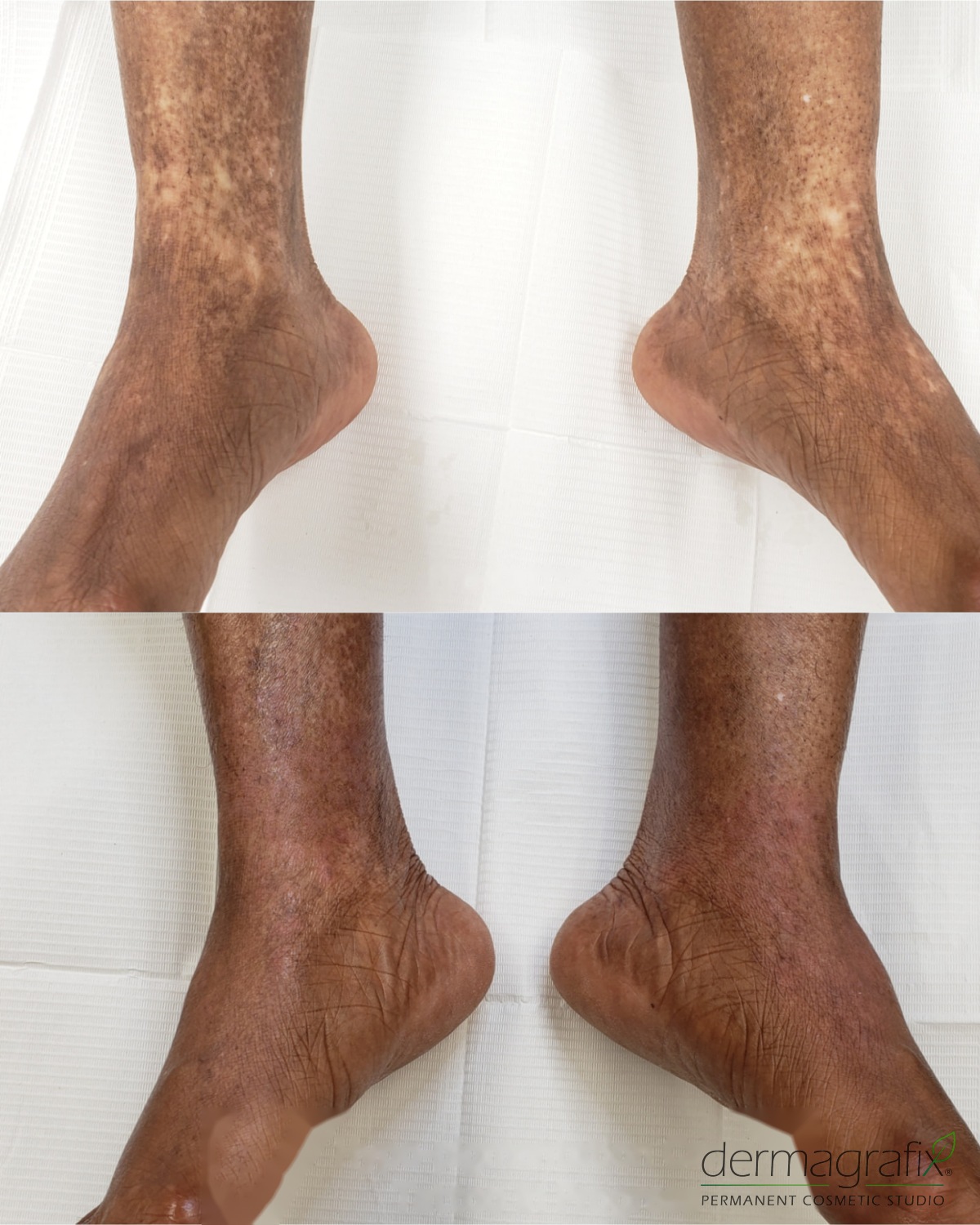
Skin is not one material. Two people can arrive with the same scar, the same request, and the same timeline, and hold color completely differently. Depth of tone, undertone, oiliness, thickness, and sun history all shape what the healed result looks like — which is why the plan is built around your skin rather than around a technique.
Tone and undertone come first
Skin type is usually described on the Fitzpatrick scale, from very fair skin that burns easily through deeply pigmented skin that rarely does. That scale is useful shorthand, but it only describes depth. Undertone — warm, cool, olive, neutral — matters just as much, because a color that is the right darkness and the wrong temperature will read as a patch rather than as skin. Every blend is mixed to your tone and undertone together, then checked again once the area has healed and shown how it actually holds color.
What normal skin does after a mild injury
Restorative tattooing is a controlled, mild injury to the skin, and skin responds to it the way it responds to any small injury: a brief inflammatory phase, then repair. You may see redness, slight swelling, a little warmth, then flaking or tightness as the surface closes. That is ordinary healing behavior, not a sign that something has gone wrong, and it is exactly what the plan is built around. The color you see during that window is the healing, not the result.
Melanin-rich skin
Melanin is produced by cells in the skin, and in deeper skin types those cells are simply more responsive during normal healing. That means the treated area can temporarily deepen — or occasionally lighten — while the skin settles. It is common, it is expected, and in most cases it resolves on its own as healing completes. It is also the reason results in melanin-rich skin are assessed later rather than sooner: judging color while the skin is still responding tells you very little.
How we work with that
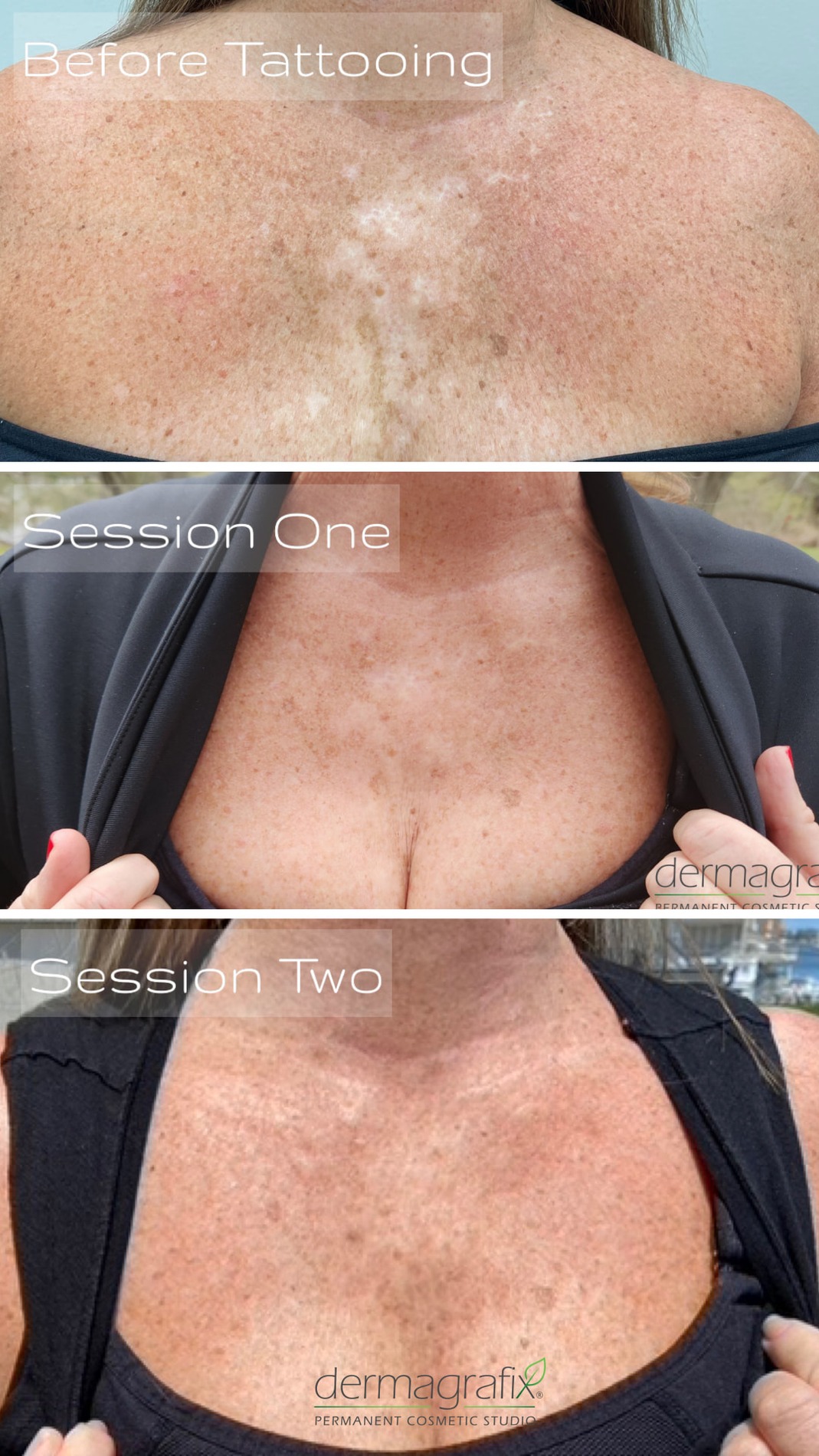
Our approach is deliberately unhurried: a light hand, shorter sessions, and color built gradually across visits rather than pushed to a finished look in one sitting. Less is asked of the skin at each appointment, the skin has less to recover from, and each session can respond to what the last one actually kept.
Recovery guidance that helps color settle evenly
What happens between sessions matters as much as the session itself. Keep the area out of direct sun, away from heat — saunas, hot yoga, long hot showers — and free from friction from clothing, straps, or equipment. Use daily SPF once the surface has closed, and keep using it long after. Where appropriate, we may recommend tyrosinase-inhibiting topicals to help calm melanin production around the area. Red light therapy and occlusive dressings can be great tools for supporting a calm settle — but not for skin that tends to hyperpigment, where light, warmth and trapped moisture can encourage darkening. Whether either suits you depends on your skin, and your specific plan is given to you in writing and reviewed at each visit.
Other skin characteristics that matter
Oily skin tends to soften and spread fine detail more quickly, so strokes are placed with that in mind. Thin or mature skin is more delicate and often needs gentler, fewer passes. Sun-exposed skin changes shade with the seasons, which affects how well a match holds across the year. None of these make someone a poor candidate — they simply change how the work is planned and how often it is refreshed.
Read more about scar camouflage tattooing, or see healed results from real clients.
Pennsylvania
Our Doylestown studio welcomes clients from Bucks County, Montgomery County, Philadelphia and the greater Philadelphia area. See restorative tattooing and SMP near Philadelphia.
Florida
Our Stuart, FL studio welcomes clients from the Treasure Coast and Palm Beach coast, including Palm City, Jensen Beach, Port St. Lucie, Tradition, Hobe Sound, Jupiter, Tequesta and Palm Beach. See restorative tattooing and SMP on the Treasure Coast.